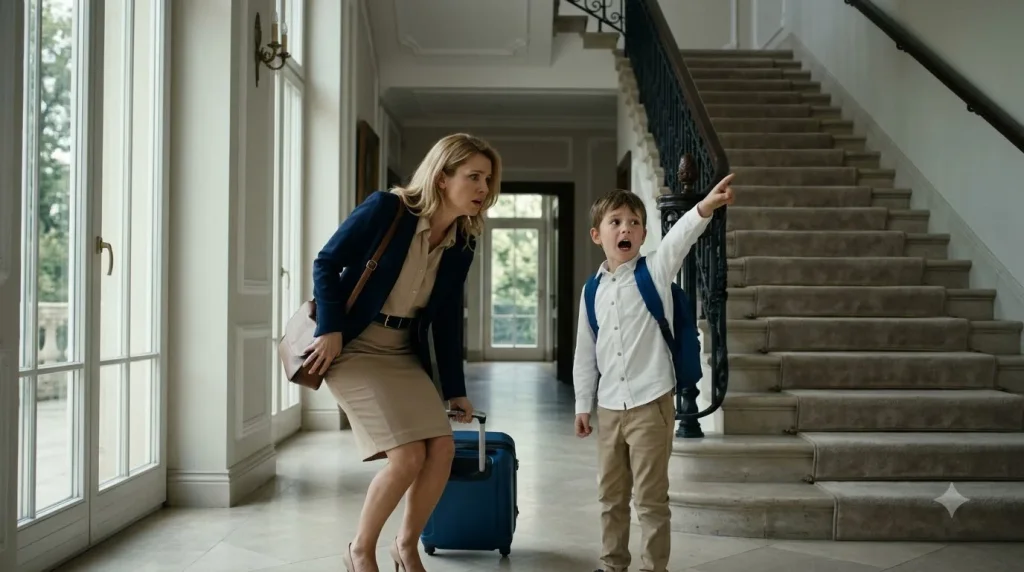
A válasz két nappal később érkezett, Margaret hagyatéki dokumentumainak felolvasásakor. Anthony Clark, Margaret régóta ügyvédje, velünk szemben ült egy tárgyalóban, és elmagyarázta, hogy a konkrét jótékonysági adományok, személyes emléktárgyak és költségek után a hagyaték fennmaradó részét, körülbelül 4,5 millió dollárt, rám hagyták.
Anya Anthonyra meredt. Apa rám.
– Mindet? – kérdezte.
Anthony nyugodtan megismételte a rendelkezést. Apa széke hátracsúszott.
She barely saw Carara. I almost laughed because the alternative was saying something I could never take back.
Mom demanded to know when the will had changed. Anthony told her Margaret had revised her estate plan 18 months earlier after several private consultations and an independent capacity evaluation.
That should have ended the conversation. Instead, mom turned to me.
What did you say to her? There it was.
Not congratulations, not confusion, an accusation. I never asked Grandma for a dollar.
Dad leaned across the table. Then you won’t mind fixing this.
Fixing what? Give us what should have been ours.
I looked at both of them and felt something colder than anger settle inside me. They weren’t asking whether Margaret had been confused.
They were telling me her decision was unacceptable because it didn’t benefit them. No, I said.
Dad’s face changed. Then we’ll let a judge decide.
11 days later, I was served. They alleged undue influence, manipulation, lack of capacity, and financial dependency.
One paragraph described me as unstable and financially insecure. Another claimed I had inserted myself into Margaret’s life only after learning the size of her estate.
Reading it hurt more than I expected, not because the claims were persuasive, but because my parents had signed their names beneath them. A small part of me had still hoped their threat had been anger talking.
It hadn’t been. They were willing to turn my relationship with grandma into evidence against me.
That night, I stopped asking whether my parents still loved me. I started asking a different question.
How far had they already gone? The next morning, I took the petition to Anthony.
He read it twice without interrupting, then placed it on his desk. Your parents aren’t merely challenging the will, he said.
They’re building a character case. I asked whether we should immediately reveal my professional background.
Anthony shook his head. We answer what they allege.
We don’t perform for them and we definitely don’t teach opposing council how to prepare for you. That was the first reason I trusted him.
He wasn’t interested in dramatic surprises. He wanted documentation.
So did I. We began with Margaret’s medical records, attorney notes, calendars, phone logs, and estate planning history.
Her physician had documented normal cognitive function near the date of the revised will. Anthony had met with her without me present.
Two witnesses had signed the documents. None received anything from the estate.
The foundation was strong. Then Anthony handed me something I hadn’t seen before.
Photocopies of three handwritten pages from Margaret’s desk calendar. On several dates, she had written short notes beside my parents’ names.
Greg asked again about investment account. Beth wants advance for house.
Told them no. The last entry was 6 months before her death.
They are angry because I won’t promise them the estate. Must make wishes impossible to misunderstand.
I read that sentence three times. Suddenly, I remembered a call from that same week.
Grandma had sounded irritated but refused to explain why. She had only said, “Cara never let someone turn love into an invoice.”
At the time, I thought she was being philosophical. Now I understood.
Anthony had another surprise, although not the convenient kind that magically solved a case. He had contacted Samantha James, the private home care coordinator who had assisted Margaret during her final year.
Samantha had already given a written statement during Margaret’s estate planning because Margaret herself requested it. That mattered.
Samantha wasn’t a witness we discovered after being sued. She had been part of the contemporaneous record.
She confirmed Margaret was alert, opinionated, and particularly concerned about being pressured over money. She also remembered two visits from my parents that ended in arguments.
Anthony asked whether I knew about them. I didn’t.
That realization hurt. Grandma had protected me from more than I knew.
Then the other side produced its first major exhibit, Samuel Lewis. My parents attorney sent Anthony a copy of what he described as a financial authorization worksheet supposedly found among Margaret’s papers.
It appeared to show that I had discussed obtaining access to her accounts 8 months before the will changed. At first glance, it looked bad.
My name appeared beside the words account authority and beneficiary consolidation. Dad had apparently told Samuel that grandma showed him the document herself.
Anthony watched my face. You recognize it?
I recognize what’s wrong with it. He waited.
Popular Posts
→- 1
- 2
- 3
- 4




Recently Viewed
Stories you read recently will appear here.